A problem addressing issues of both adverse possession and shelter rights.
Alek Newton on Unsplash
Hypothetical Facts #
Supposed that the northern terminus of Needhorn Road lies Needhorn Park, a sprawling plot of public parkland owned and operated by the Halifax Regional Municipality (HRM). The parkland was owned by a private landowner until the 1950s, when it was expropriated by the province as part of a planned economic development project to build a large brewery in the North End. When those plans failed to materialize, the province transferred title in the land to HRM as surplus lands and eventually, several years later, the area was zoned as municipal greenspace.
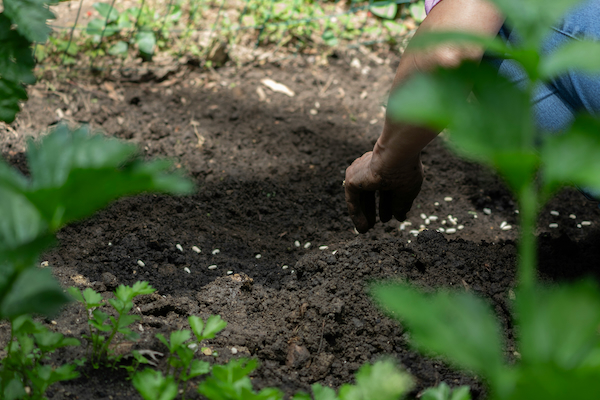
Bordering the park to the south is a private lot owned by a local resident, Lin, who for many years has used a portion of the park’s old sports field as a garden area to grow vegetables. Lin has never asked permission from HRM to make use of the parkland in this way, but no one from the city has ever bothered them about it. Several old signs still adorn the fence posts around the area (although the fence itself disappeared long ago), declaring the old sports field “A Place for Everyone”, but many of these signs have become so worn and rusted as to be nearly illegible. Spring after spring, Lin put down fresh compost on the land and planted vegetables, then harvested them in fall and left the field alone over the winter where it sat unused except for the odd year in which there was enough cold and snow for the neighbourhood kids to make a hockey rink. On one small patch of the ground, Lin constructed a modest but permanent garden shed.
More recently, for at least the past few winters as the housing crisis in HRM has escalated and the demand for shelter beds in the city continued to outstrip the available supply, a small number of unhoused individuals began to shelter in the park during the coldest months on the land used by Lin to garden. Initially, those sheltering in the park used tents and other forms of temporary shelter only to sleep overnight, packing up their belongings and vacating the park each morning. But this past winter the size of the encampment had grown considerably and many individuals began to leave their tents up throughout the day, while others started to construct rough plywood shelters that provided better protection against the elements.
Upset by the possibility that they would be unable to grow vegetables in the coming year, Lin confronted different occupants of the shelters throughout the winter, stating that the field was “my land”. Lin also wrote several letters to the local councillor and other municipal authorities urging them to take “immediate action”. Within weeks, the HRM Council had passed a new municipal bylaw banning, under certain conditions, the erection or use of any shelter in municipal parks during daylight hours. At the same time the bylaw was passed, the Mayor announced the opening of a large new publicly-funded shelter facility in Dartmouth that “provides shelter capacity for unhoused individuals far in excess of current and anticipated needs across HRM for the foreseeable future”. The new shelter is approximately a half-day’s walk from Needhorn Park and therefore a considerable distance from the health and social services currently accessed by many unhoused people in Halifax’s North End. Despite the new bylaw, several individuals in the Needhorn Park encampment have refused to take down or leave their shelters due to lack of what they see as alternative options and concerns about the safety of their belongings. Lin continues to write to her local councillor insisting that the new bylaw be enforced.
The Problem #
Nova Scotia currently has no provincial legislation granting immunity from claims of adverse possession on any class of public lands. Would Lin be successful in claiming adverse possession over the area in the park they’ve used for gardening (assuming they had gardened there for more than the 20-year limitations period for such claims established by statute)?
Note that we will return to the elements of this problem that relate to the right of unhoused persons to shelter in public spaces during our study of next week’s materials.
Note on Readings #
Departing from our practice most weeks, you are encouraged to read this week’s materials in a specific order: Popov v Hayashi, Piper v Stevenson, Keefer v Ariollotta, then Kosicki v Toronto (City).
Readings for this Week
Choose one of the reading materials from the list below--ordered alphabetically--to start analyzing this week's problem. At the end of your reading path you should have covered each of the materials on the list.
- Keefer v Arillotta, 13 O.R. (2d) 680: Keefer had a right of way on Cloy's land, which later passed to Arillotta. Keefer built a garage on this land, and frequently used the grassy area, including to build a skating rink in the winter.
- Kosicki v Toronto (City), 2023 ONCA 450 (CanLII): A private owner claims adverse possession of municipal parkland in Toronto.
- Piper v Stevenson, 1913 CanLII 615 (ON CA): Piper enclosed and cultivated land for years. Stevenson said he had purchased that land and that Piper is not the owner.
- Popov v Hayashi, (Cal Sup 2002): Barry Bonds hit a record-setting home run. The ball flew into the stands, where it went into Popov's glove. Popov was mobbed before he could secure the ball. The ball fell in the scrum, and was picked up by Hayashi. Hayashi was an innocent party and it is impossible to know whether Popov would have secured control of the ball without the mob's interference.